Whether you’re a seasoned driver or a new car owner in Massachusetts, the world of auto insurance can feel like navigating a labyrinth. But worry not, this guide is here to illuminate your path, turning complex terms into simple ideas and turning data into actionable insights. Discover how to make informed decisions that not only meet legal requirements but also align with your financial goals.
Unlock the secrets of selecting the perfect auto insurance with confidence. In this creative exploration, we’ll delve into the core of what makes up your insurance costs, uncover hidden factors that impact your premiums, and reveal the myriad opportunities to save without sacrificing essential coverage. Ready to transform your auto insurance journey? Let’s embark on this adventure!






Understanding Auto Insurance Basics
Auto insurance might seem complex, but in Massachusetts, it’s all about providing protection and peace of mind. Understanding the essentials can empower you to make informed decisions.
Whether you’re a seasoned driver or new on the roads, knowing what your auto insurance should cover can help you choose a policy that meets your needs. Let’s dive into the vital components that make up auto insurance in the Bay State.
The Essentials of Auto Insurance in Massachusetts
Massachusetts mandates drivers to maintain specific minimum insurance coverage. The state’s auto insurance laws are designed to ensure that all motorists can cover costs related to accidents, providing financial security for drivers and victims alike. Under Massachusetts law, the required coverage types include:
- Bodily Injury to Others – This coverage is obligatory and offers a minimum of $20,000 per person and $40,000 per accident.
- Personal Injury Protection (PIP) – Covers up to $8,000 in medical expenses or lost wages for you and your passengers, regardless of fault.
- Bodily Injury Caused by an Uninsured Auto – Provides at least $20,000 per person and $40,000 per accident if you’re hit by an uninsured driver.
- Property Damage – Covers up to $5,000 for damages you cause to another person’s property.
Enhancing Your Coverage with Optional Policies
While the mandatory coverage forms the backbone of your auto insurance policy, Massachusetts offers a smorgasbord of optional coverages to enhance your financial protection. Adding these can give you more comprehensive coverage:
- Collision Coverage – Pays for damage to your car after an accident, regardless of who is at fault.
- Comprehensive Coverage – Covers damages resulting from non-collision events, such as theft or natural disasters.
- Substitute Transportation – Helps cover the cost of a rental car if your vehicle is being repaired after a covered loss.
- Roadside Assistance – Provides services like towing, battery jump-starts, and tire changes.
- Gap Insurance – Helps pay the difference between what you owe on your car and its depreciated value if it’s totaled.
Meeting the General Requirements
To acquire auto insurance in Massachusetts, drivers must meet certain requirements which ensure coverage is always active and dependable. These include maintaining continuous coverage throughout the vehicle’s registration and cooperating with the state’s minimum coverage laws.
Remember, auto insurance isn’t just a legal obligation—it’s a safeguard for your financial and physical well-being.
The key to smart auto insurance is understanding your needs and matching them with the right type and amount of coverage. So next time you’re on the hunt for a policy, you’ll be equipped with the knowledge to navigate Massachusetts’ auto insurance landscape with confidence.
Factors Influencing Auto Insurance Rates

Auto insurance rates in Massachusetts aren’t just picked out of thin air. They are carefully calculated based on a mosaic of personal and external factors, each playing a critical role in determining your premium. Understanding these elements can help you take proactive steps toward securing a competitive rate.
Whether it’s your driving habits, the car you drive, or even where you park at night, each detail feeds into the complex algorithm that insurers use to calculate your premiums. Let’s dive into the diverse elements that drive these rates.
Key Factors Affecting Insurance Premiums
Several significant factors influence your auto insurance rates. Insurers consider these elements to assess the risk and cost associated with providing coverage:
- Age: Younger drivers, especially those under 25, often face higher premiums due to perceived inexperience and a higher likelihood of accidents.
- Driving History: Individuals with a clean driving record are rewarded with lower rates, while those with tickets or accidents might pay more.
- Vehicle Type: High-performance cars or luxury vehicles usually attract higher premiums due to increased repair costs and theft rates.
Impact of Age, Driving History, and Vehicle Type
Young drivers are in the spotlight when it comes to high insurance costs. Statistically, they are involved in more accidents, pushing insurers to charge more for this age group. Seasoned drivers with a stellar record bask in reduced rates, reaping the rewards of responsible driving behavior. Similarly, your choice of vehicle says a lot about your risk profile. A flashy sports car may scream “thrill,” but to insurers, it spells “risky business.”
Geographic Location’s Influence on Rates
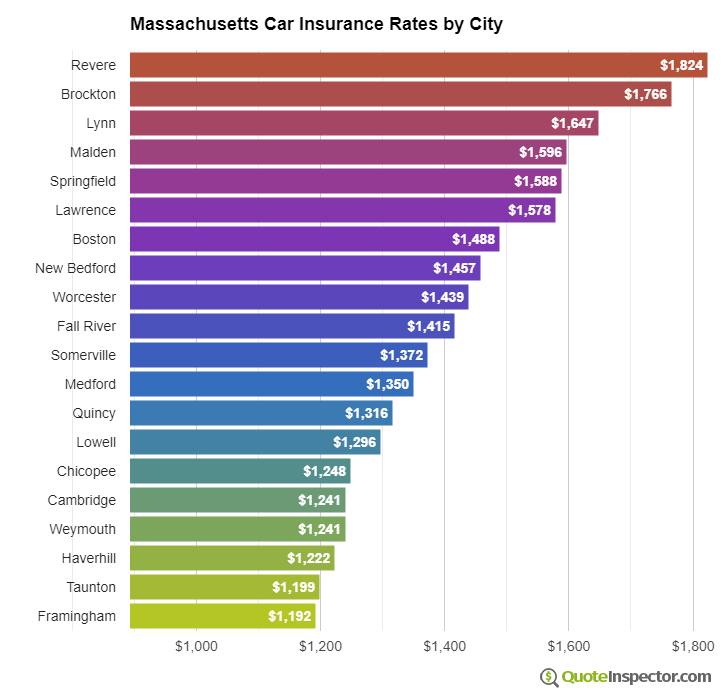
Where you live in Massachusetts can have a substantial impact on your auto insurance premium. Urban areas typically see higher rates compared to rural locales, thanks to factors like traffic congestion, crime rates, and repair expenses. Consider this illustrative table:
| Location | Average Annual Premium |
|---|---|
| Boston | $2,000 |
| Springfield | $1,850 |
| Worcester | $1,750 |
| Pittsfield | $1,500 |
“Your address is more than just a dot on the map; it’s a big player in your auto insurance game.”
Credit Scores in Massachusetts
While many states allow credit scores to factor into the auto insurance formula, Massachusetts takes a different stance. Here, using your credit score to influence insurance rates is not permitted. This safeguard aims to ensure fairness and equity, giving you one less thing to worry about. So, if you’ve been fretting about that credit blip affecting your car insurance, breathe easy—Massachusetts has your back on this one.
Comparing Rates and Providers
Embarking on the quest for the perfect auto insurance can feel like navigating a labyrinth. Fear not! We’ve unraveled the mysteries to help you compare rates and find the ideal provider that suits your needs.
To make an informed decision, it’s crucial to understand how rates differ across various insurance companies. In this segment, we’ll provide a comparative analysis and guide you in evaluating both costs and benefits.
Top Insurance Providers: A Comparative Analysis
Finding the right insurance provider involves more than just looking at prices. You should understand the landscape and identify potential savings. Here’s a breakdown of rates from leading insurance companies for different demographic groups:
| Provider | Age 25-34 | Age 35-44 | Age 45-54 | Age 55+ |
|---|---|---|---|---|
| Provider A | $1,200 | $1,100 | $1,000 | $950 |
| Provider B | $1,150 | $1,050 | $1,000 | $900 |
| Provider C | $1,300 | $1,150 | $1,050 | $1,000 |
Obtaining Multiple Quotes
When looking to gather quotes from multiple providers, modern technology is your best ally. Online comparison tools and direct online visits can speed up this process considerably. Here’s how you can streamline your efforts:
- Utilize insurance comparison websites to view multiple quotes simultaneously.
- Directly visit individual insurer websites to explore specific policy details and adjustments.
- Connect with a local insurance agent or broker who can provide insights tailored to your locale.
Evaluating Customer Service and Policy Benefits
A low rate may seem appealing, but evaluating customer service and policy benefits ensures you’re covered when you need it most. Consider the following guidelines:
Customer service is the invisible guardian of your auto insurance investment.
Look for reviews and ratings on customer service performance. It’s vital that an insurer is responsive and supportive, especially during claims processing. Evaluate policy benefits such as roadside assistance, vehicle repair coverage, and accident forgiveness as these can significantly enhance your driving peace of mind.
Most importantly, align the policy benefits with your personal needs and driving habits to ensure you’re adequately covered.
Discounts and Savings Opportunities
Auto insurance in Massachusetts doesn’t have to break the bank; there are several ways to bring down the cost without compromising your protection. From discounts to bundling, the right moves can lead to significant savings.
Understanding the variety of discounts available and leveraging them effectively can make a profound difference in your insurance expenses. Here’s a closer look at some top strategies to reduce those rates.
Available Discounts for Massachusetts Policyholders
Insurance providers offer numerous discounts to encourage safe driving and loyalty among their customers. Here’s a detailed look at some of the most prevalent discounts you can tap into:
| Discount Type | Eligibility Criteria |
|---|---|
| Safe Driver Discount | Maintain a clean driving record with no accidents or violations. |
| Multi-Policy Discount | Bundle your auto insurance with other policies from the same insurer. |
| Good Student Discount | Students under 25 years with a “B” average or better. |
| Anti-theft Device Discount | Install approved safety devices in your vehicle. |
| Loyalty Discount | Stay with the same insurance company for multiple years. |
Strategies to Lower Your Monthly Premiums
Beyond the available discounts, there are strategic actions you can take to further reduce your insurance costs. Here are some smart approaches to cut down those monthly premiums:
- Review and Adjust Coverage: Regularly review your policy to ensure you have the right level of coverage for your needs.
- Increase Your Deductible: Opt for a higher deductible to lower your premium, but ensure you can cover the cost if needed.
- Utilize Usage-Based Insurance: Consider telematics programs that reward low-mileage and safe driving habits.
- Shop Around Annually: Compare quotes from different providers each year to find the best rates.
Advantages and Limitations of Bundling Insurance Policies
Bundling your insurance policies—such as combining auto with home insurance—can result in significant cost reductions.
Bundling rewards loyalty with multipolicy discounts, often leading to 10-20% savings.
But while bundling is convenient, it has its limitations. It might bind you to one provider, potentially limiting flexibility if your needs change. Always weigh the long-term implications against immediate savings to ensure you make the best decision for your situation.
Claims Process in Massachusetts
Dealing with auto insurance claims in Massachusetts may feel daunting, but understanding the process can ease your journey. From filing the claim to resolving it, each step is important to ensure you get the support you deserve.
The claims process is structured to provide clarity and assistance, primarily organized into filing, assessment, and settlement steps. Drivers in Massachusetts need to be familiar with these stages to make the experience as stress-free as possible.
Steps to File an Insurance Claim
Filing a claim in Massachusetts involves a few critical steps, and attention to detail can make a significant difference in your claim’s outcome. Here’s what you need to do:
- Contact Your Insurance Provider: Immediately report the accident to your insurer, ideally within 24 hours.
- Document the Scene: Take photographs, gather witness information, and keep a detailed record of the incident.
- Submit Necessary Documents: Provide your insurer with a completed claim form along with any requested documentation.
- Attend Vehicle Inspection: Allow your insurance company to assess the damage to your vehicle.
- Follow Up Regularly: Stay in contact with your claim adjuster to expedite the process.
Timeline and Expectations
The timeframe for claims resolution in Massachusetts can vary, but there are some general expectations you can have:
Once a claim is filed, it typically takes around 30 days to get a decision, although more complex cases might require additional time for investigation.
Your insurance company is expected to keep you informed at each phase, offering estimates and any updates on your claim status.
Tips for a Smooth Claims Experience
Streamlining your claims process doesn’t have to be challenging. Here are some useful tips:
- Maintain open communication with your adjuster.
- Ensure timely and accurate submission of all required documents.
- Keep meticulous records of every interaction and piece of correspondence.
Handling At-Fault and No-Fault Accident Claims
Massachusetts follows a no-fault insurance system, which means your insurance policy will typically cover your medical expenses regardless of who caused the accident. However, understanding how at-fault dynamics work is essential:
In no-fault claims, you can only file a lawsuit against the at-fault party under certain conditions, such as incurring medical bills exceeding a specific threshold.
Conversely, at-fault claims will involve determining the liability of the involved parties, which can influence how costs are distributed between insurers.
In essence, preparedness and knowledge of these elements can empower you during the claims journey, ensuring that you receive fair treatment and the coverage appropriate for your situation.
Impact of Legal and Regulatory Changes
Legal and regulatory changes in Massachusetts play a pivotal role in shaping the auto insurance landscape. As a driver or policyholder, staying informed helps you anticipate shifts in your insurance costs and coverage benefits.
With the evolving legal scenarios, auto insurance policies are influenced not only in terms of costs but also the types of coverage you might need. Let’s delve into how recent legal changes have redefined what’s next for drivers in Massachusetts.
Recent Legal Changes and Their Implications
Recent legislative updates have introduced new stipulations that directly impact how auto insurance is structured and priced in Massachusetts. Here are some changes that have started to make a significant impact:
- Minimum Coverage Requirements: The state has revised the minimum liability insurance levels, ensuring better protection for drivers but potentially leading to increased premiums.
- No-Fault Insurance Revisions: Adjustments in no-fault insurance regulations have aimed at streamlining claim processes but could affect how settlements are negotiated.
- Insurance Scoring Laws: New guidelines on the use of credit scores and other personal data in determining premiums seek fairer pricing models.
Influence of Regulatory Updates on Premiums and Coverage
Regulatory updates often yield a ripple effect throughout the insurance industry, primarily influencing how premiums are calculated and what coverage options are available:
- Premiums are typically adjusted to accommodate additional risks or new liabilities introduced by legislative changes.
- Policy offerings may expand or contract to align with legal requirements, providing more comprehensive protection packages or eliminating options deemed inequitable.
Key Regulations Impacting Policyholders
Being aware of key regulations helps policyholders make informed decisions:
- Adjustments to personal injury protection (PIP) coverage limits.
- Imposition of stricter guidelines on teenage driver coverage.
- Regulatory caps on how insurers can adjust rates based on geographic location.
Potential Future Changes in the Auto Insurance Landscape
As Massachusetts continues to adapt to new transport technologies and demographic shifts, the auto insurance market is poised for further transformations:
Emerging trends suggest that we could see:
- Integration of telematics in premium calculations, offering potentially lower rates for safe drivers.
- Legal responses to increasing presence of autonomous vehicles on the road.
Staying ahead of these changes not only helps in making informed choices but also ensures compliance with state laws, ultimately safeguarding your financial and legal well-being.
Final Summary
In closing, understanding auto insurance in Massachusetts doesn’t have to be daunting. With the right information at your fingertips, you have the power to make savvy choices that ensure your protection on the road without breaking the bank. By embracing the right strategies and staying informed about changes in regulations, you are better positioned for the road ahead. Remember, the journey to finding the ideal auto insurance is just as important as the coverage itself.
Q&A
How much is auto insurance in Massachusetts on average?
On average, auto insurance in Massachusetts costs around $1,200 annually, but rates can vary based on multiple factors such as age, driving record, and the type of vehicle.
What does Massachusetts require for auto insurance?
Massachusetts mandates minimum coverage of $20,000 per person and $40,000 per accident for bodily injury, along with $5,000 for property damage.
How can I lower my auto insurance premiums in Massachusetts?
You can lower your premiums by maintaining a clean driving record, bundling policies, taking advantage of available discounts, and comparing quotes from different providers.
Do credit scores affect auto insurance rates in Massachusetts?
Yes, credit scores can influence auto insurance rates in Massachusetts, as insurers consider creditworthiness an essential factor in risk assessment.
Are there discounts available for young drivers?
Yes, many insurers offer discounts for young drivers who have good grades or complete a driver’s education course.